25 Ocak 2008 Cuma
Tarsus Düğünü: Davul Zurna Ekibi
Vursun davullar, çalsın zurnalar!
Ara sokaklarda canlı renkleriyle şirin Tarsus evlerinin fotoğraflarını çekerken aniden çifte davullar gümbürdemeye, tiz bir zurna sesi, ağır ama neşeli bir havaya eşlik etmeye başlıyor. Davul zurna sesinin melodilerini izleyerek ara sokaklardan, tarihi evlerin yıkıntılarının arasında küçük bir alana ulaşıyorum. Düğün sahibi karşılamak için kalkıyor. Anadolu'da adettir. Gelen geçen düğüne katılır. Konuklar yeni yeni geliyorlar. Çeyiz almaya gidiyorlarmış. Ben de tebrik edip hayırlı olsun diyorum. Davullar vuruyor, zurna neşeli bir hava çalıyor... Ama yolcu yolunda gerek. Tarihi saat kulesi, bedesten, cami ve kiliselerin olduğu meydana doğru yoluma devam ediyorum.

Tarsus'un Evleri
Tarsus'un her karışı, her yönü ayrı bir fotoğraf karesi... Sabah bacaların teneke borularından tüten ilk dumanlar güneşin ışık oyunlarına eşlik ediyor. Derken sokakların arasından tiz bir zurna ve ona eşlik eden davul sesi duyuyorum. Acaba ses nereden geliyor? Bakalım neler oluyor? Ben o tarafa gidiyorum...
Tarsus Evleri
Adana, Mersin treninden indiğimde beni güneşli ve ılık bir Akdeniz sabahı karşılıyor. Güneş henüz Tarsus'un dar ara sokaklarına girmemiş. Niyetim eski güzel Tarsus evlerinin bulunduğu şehir merkezindeki sokakları fotoğraflamak. Oradan şehir merkezindeki saat kulesi, tarihi bedesten ve camilerin olduğu meydana geçip, meydan kahvesinde de bir çay içmeyi düşünüyorum. Burada ne tarafa bakarsanız ayrı bir fotoğraf karesi görüyorsunuz... Ben ara sokaklarda dolaşıp fotoğraf çekerken, güneşin ilk ışıkları dar sokaklarda binbir türlü renk ve ışık oyunları yaratıyor. Tam o sırada açık bir kapı dikkatimi çekiyor...
24 Ocak 2008 Perşembe
Toros Yaylalarına, Gün Doğumuna Yolculuk
Toroslar bir başkadır... İsviçre'nin adı çıkmış bir kere... Tabii bugünlerde tüm dünyanın gözü Davos'ta... Ama Toroslar'da karlı, başı dumanlı dağlardan, yayla köylerinden, dağların, bulutların arasından gün doğumunu izlemek, kuş sesleri ile uyanmak hiç bir şeye benzemez. Siz çıtır çıtır odun sobası yanan bir sabah, dumanı tüten mis gibi yayla ekmeği ile kahvaltınızı yaparken sincaplar dallarda koşuşturmaya başlarlar bile... Ben de size Toros yaylalarından, başı dumanlı dağlardan, gün doğumlarından fotoğraflar, öyküler getirmek üzere Torosların yayla köylerine bir keşif fotogezisine çıkıyorum. Niyetim geçerken Tarsus'ta da biraz zaman geçirmek... Biliyorsunuz 2008 yılı UNESCO tarafından bütün dünyada Tarsus'lu Saint Paul yılı olarak benimsendi... Çukurova Mavi Treninden, Yenice istasyonundan Tarsus'a geçiyorum. Tarsus olağanüstü bir yer... Burada her yer, her yön, her karış ayrı bir fotoğraf... fotogezi.blogspot.com sayfalarında önümüzdeki günlerde görüşmek üzere...
19 Ocak 2008 Cumartesi
Donmuş Göldeki Ördekler
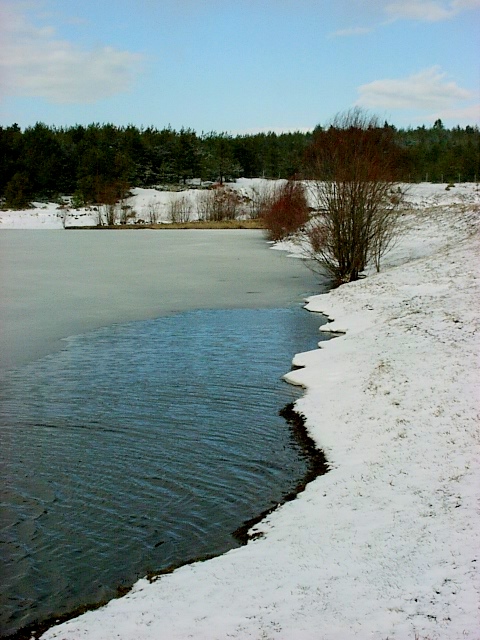
Hafta sonu Bolu Gerede yakınlarında bir trekking sonrası, Cankurtaran Mevkiinde, bir benzin istasyonunun arkasında otel, restoran ve konaklama tesisinde sıcak bir çay içmek, gözleme yemek için durduk. Greenpark Hotel'in arkasındaki donmuş gölde bu sevimli ördeklere rastladık. Kameralara poz vermekten dolayı da oldukça memnunlardı... İşte de fotoğrafları...
17 Ocak 2008 Perşembe
Saving a book from its readers
So, back to our favourite subject. Last week I asked what a science fiction novel would look like if it could "think the totality of what it projects". That is, in the words of Blanchot scholar Michael Holland, "total transcendence in the here and now". To my surprise, not one comment arrived despite the frenzy when sci-fi was discussed elsewhere. Anyway, my own answer was "Literary fiction".
This needs clarification. By literary fiction, I don't mean the kind of books you see on the Man Booker Prize shortlist. It is unfortunate that these frequently very conservative novels are classed as literary fiction when really they are part only of the calcification called Establishment Literary Fiction. Genuine literary fiction escapes genre, including its own. Now "escapes" needs clarification.
It's been said that Cormac McCarthy's literary prize-winner The Road could not have been written without the tradition of post-apocalyptic science-fiction novels which has been ignored by literary prize committees. No doubt this is true. The inference is that what the literary readers regard as unique in The Road is actually very common and that lack of recognition for what came before is due only to ignorance or snobbery. (It might be conceded that McCarthy is distinct because of his prose style yet, ironically, this is what threatened to ruin it for me as I explained at the time. And anyway, fine writing is hardly worthy of a major literary prize. If it was, plenty of genre writers should have won a top literary awards by now.)
What makes a novel like The Road different, however, is its attempt to think of the totality of what it projects. In this case, the apocalypse has destroyed narrative as much as it has destroyed the landscape. Very little remains. The father and son seek a future as the reader seeks narrative comfort. My doubts about some passages in the book point towards where McCarthy loses conviction. Perhaps this is an inevitable failure. Beckett's post-apocalyptic Endgame, however, is an example of where the author's nerve never falters. Does it say something that sci-fi fans have never tried to adopt this play as their own?
This is the trouble with the debate. Genre fans, such as those mentioned above, seem to be drawn to the specific features of genre: the technological changes of the future, space travel, the particulars of forensic science, the horror in Horror, homo-eroticism in Westerns, and when they appear in fiction called Literary, they can't see the distinction. Hence Wikipedia's indignant summary of the perceived differences. Yes, Crime & Punishment is a psychological thriller but that does not mean that the latest hackwork with a disturbed young male protagonist is Crime & Punishment. Fortunately, Dostoevsky's book doesn't need to be saved from such readers. But others do.
I have tried to save Richard Ford's trilogy from the Establishment Literary Fiction label by writing an essay on it. Tao Lin's Eeeee Eee Eeee needed to be saved from Cult Fiction, so I wrote a long review, while Roubaud's The Great Fire of London needed to be recovered from the Hypertext fiction basket and David Markson's This is Not a Novel from its solitude. I'm as open to genre as I am indifferent. For instance, I would like to help Nick Tosches' In the Hand of Dante up the purgatorial mountain of Crime fiction, but I need to re-read it. Save to say here, the ostensible "Crime fiction" chapters of the book are what helps it to escape the pile. No doubt some of you will think I have missed many others. Persuade me.
This needs clarification. By literary fiction, I don't mean the kind of books you see on the Man Booker Prize shortlist. It is unfortunate that these frequently very conservative novels are classed as literary fiction when really they are part only of the calcification called Establishment Literary Fiction. Genuine literary fiction escapes genre, including its own. Now "escapes" needs clarification.
It's been said that Cormac McCarthy's literary prize-winner The Road could not have been written without the tradition of post-apocalyptic science-fiction novels which has been ignored by literary prize committees. No doubt this is true. The inference is that what the literary readers regard as unique in The Road is actually very common and that lack of recognition for what came before is due only to ignorance or snobbery. (It might be conceded that McCarthy is distinct because of his prose style yet, ironically, this is what threatened to ruin it for me as I explained at the time. And anyway, fine writing is hardly worthy of a major literary prize. If it was, plenty of genre writers should have won a top literary awards by now.)
What makes a novel like The Road different, however, is its attempt to think of the totality of what it projects. In this case, the apocalypse has destroyed narrative as much as it has destroyed the landscape. Very little remains. The father and son seek a future as the reader seeks narrative comfort. My doubts about some passages in the book point towards where McCarthy loses conviction. Perhaps this is an inevitable failure. Beckett's post-apocalyptic Endgame, however, is an example of where the author's nerve never falters. Does it say something that sci-fi fans have never tried to adopt this play as their own?
This is the trouble with the debate. Genre fans, such as those mentioned above, seem to be drawn to the specific features of genre: the technological changes of the future, space travel, the particulars of forensic science, the horror in Horror, homo-eroticism in Westerns, and when they appear in fiction called Literary, they can't see the distinction. Hence Wikipedia's indignant summary of the perceived differences. Yes, Crime & Punishment is a psychological thriller but that does not mean that the latest hackwork with a disturbed young male protagonist is Crime & Punishment. Fortunately, Dostoevsky's book doesn't need to be saved from such readers. But others do.
I have tried to save Richard Ford's trilogy from the Establishment Literary Fiction label by writing an essay on it. Tao Lin's Eeeee Eee Eeee needed to be saved from Cult Fiction, so I wrote a long review, while Roubaud's The Great Fire of London needed to be recovered from the Hypertext fiction basket and David Markson's This is Not a Novel from its solitude. I'm as open to genre as I am indifferent. For instance, I would like to help Nick Tosches' In the Hand of Dante up the purgatorial mountain of Crime fiction, but I need to re-read it. Save to say here, the ostensible "Crime fiction" chapters of the book are what helps it to escape the pile. No doubt some of you will think I have missed many others. Persuade me.
16 Ocak 2008 Çarşamba
Entitled Opinions
Good to see the return of Entitled Opinions, Stanford University's podcast with Robert Pogue Harrison in the chair. It starts off with Philippe Buc discussing "Religion and Violence". As Buc is an expert in "religion and power in pre-modern western Europe, principally from Late Antiquity to the High Middle Ages" we can expect an awareness of the longue-durée, which is nice. Next week, Orhan Pamuk visits.
And if you haven't already noticed, don't miss the new link I've added below under More Literary Blogs to Jonathan Swift's new blog Journal to Stella. OK, it's 298 years late but Ireland didn't have an internet connection until last week. Maybe.
And if you haven't already noticed, don't miss the new link I've added below under More Literary Blogs to Jonathan Swift's new blog Journal to Stella. OK, it's 298 years late but Ireland didn't have an internet connection until last week. Maybe.
Kaydol:
Kayıtlar (Atom)